Cleats
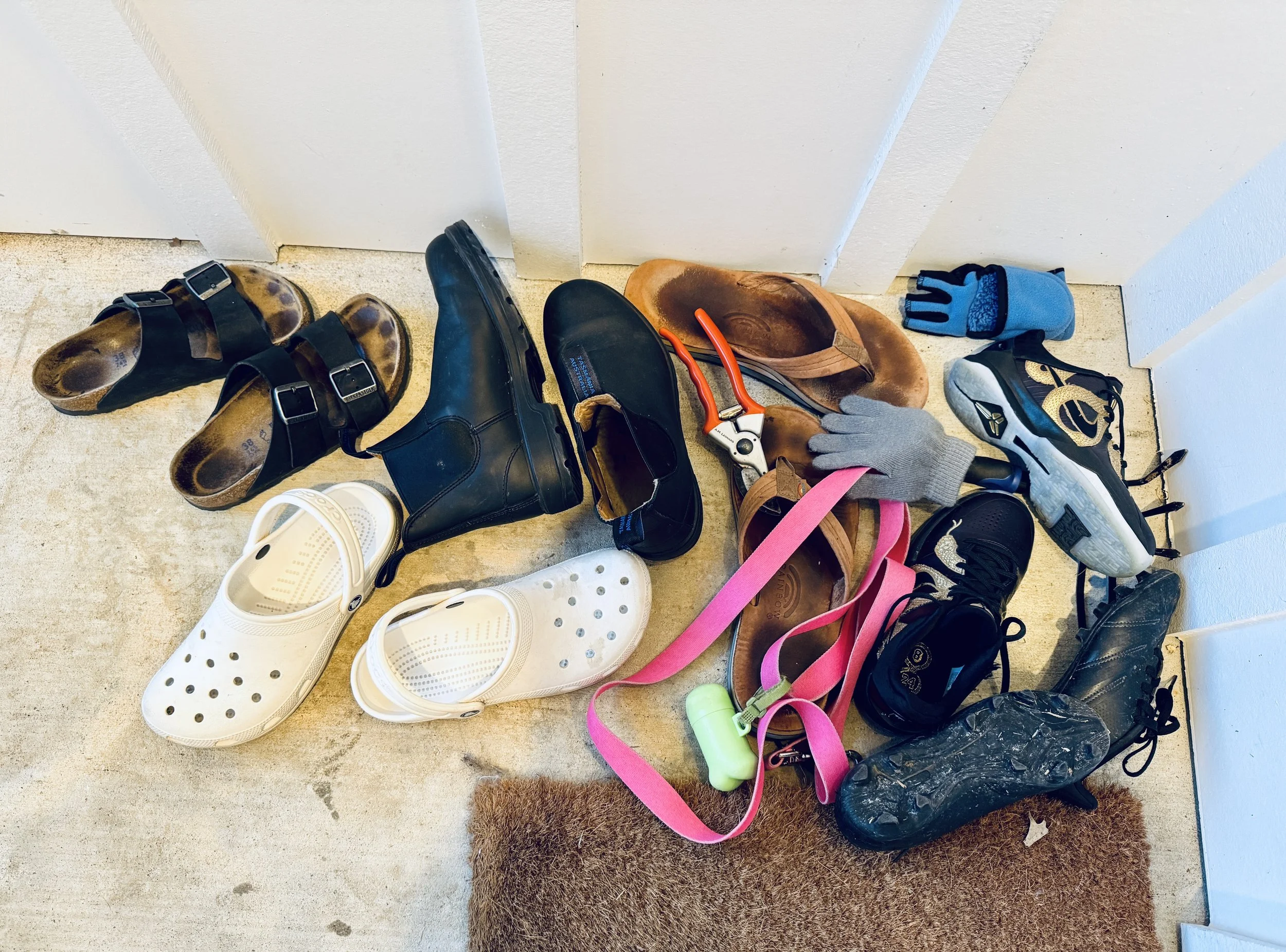
You show up for a party at a house you have never been to. You ring the doorbell, bottle of wine in hand hoping they like Pinot Grigio and glance at the porch while you are waiting. There are all kinds of things on the front porch. From the looks of it, the family has kids, they probably play sports, looks like they are outdoorsy and might have a dog or two. What makes you come to those conclusions? You see dirty cleats by the front door which indicates a sport- but is it football, soccer or baseball. You won’t know until you go inside and get to know the family. You can make all the assumptions you want based on what you can see but you won’t know for sure until you ask the kid what sport they play.
Rare diseases are like that too. Some things are visible, some aren’t. We humans are so quick to make assumptions to things and peoples lives before actually giving them a chance to tell us who they are. Maybe we are making assumptions so we can find something in common to connect with. I like to think it is that instead of us being judgmental. Who knows? After so many kid fights at our house about assumptions we started a saying - “Ask, don’t Assume.” It works most of the time…even when the kids throw it back on us adults when I accuse someone of leaving the milk out for the 10th time.
The thing about rare diseases is that they are different. Even people with the same rare disease can have totally different symptoms & outcomes. Genetics are weird. The only thing that really seems to be the same is that most are waiting on a treatment or cure. About 95% of rare diseases have no FDA approved treatment. The list & symptoms of those diseases is extensive…and I can’t do justice to the people living with them. But this is what I can tell you…
Living with a rare disease looks like a teenager playing video games on his buddies couch; an eight-year-old jumping on the trampoline with his brothers in the rain; a little girl having the courage to jump off the diving board for the first time at the local pool; a boy who scores the winning goal at his high school basketball game; a girl going to prom; a child learning how to read in their kindergarten classroom; a toddler that learns how to walk on father’s day; a woman who is pregnant with her first child and feels the baby kick for the first time and the dad that teaches his little boy how to ride a bike.
It also looks like an angry child mad about going to routine appointments when they are not sick; having lots of pills in a medicine cup to swallow with every meal; being confined to a wheelchair or using a cane; hospital rooms; lots of labs; getting beat by a vest for 30 minutes to break up the mucus in their lungs; lots of finger sticks; struggling with infertility when you just want to have a family and lots and lots of questions.
1 in 10 people have a rare disease in the United States. Half of those are children. Sometimes the symptoms that accompany that rare disease are visible to the outside person; sometimes they are not. The rare disease is merely a part of that person; it’s their “extras” - not the person. Their rare disease may alter their lives in ways they wish it didn’t but it does not define them.
For our family, the extra’s are associated with Cystic Fibrosis (CF) which means pills; inhalers; nebulizers; CPT (the vest); lots of doctor appointments with x-rays, labs, cultures & tests; fights with insurance and mental health side effects from medication. But if you look at my son you rarely see his “extras”. What you see is a happy, energetic, goofy 7 year old that is just trying to be a normal kid. He is not CF. CF is just a part of him. I was at my son‘s parent conference the other day and the teacher said “I have to set a timer for his ezymes otherwise I would forget because when you look at him, he’s just a normal little boy. You would never know that he had all of that going on inside of his body & the daily struggles he goes through just to stay healthy & alive.”
I say this to remind myself that you never know what someone has going on or what they have to do on a daily basis just to stay alive. We should not make assumptions. We should “ask, not assume” when we have questions or do not understand something. And we should all give each other grace because we never know what someone’s “normal” is and what “extras” they have to do every day. Our world could use a little compassion and kindness right now. So, on Rare Disease Day I say I am sorry to all of you that have “extras.” Do I understand what your life is like? No, but I can show up; have compassion; ask questions and support you in any way that I can. That should be what being human is all about. After all - we are all on this crazy journey called life together. We just might have different things on our front porch. And by the way…the cleats were for flag football, we love to go hiking, we have 2 dogs and the wine was perfect. Thanks for asking.